

Matthew M.
Every interaction I've had with alpinehomeair.com has been phenomenal. I sing your praises every chance I get.
Place Your Order by 1 pm for Same-Day Shipping
Place Your Order by 1 pm for Same-Day Shipping
Expert help, fast shipping, and support you can count on before and after you buy.
Since 2002, Alpine Home Air has served thousands of customers, here are some of their stories.
4.8/5
40.4k Verified Reviews
Matthew M.
Every interaction I've had with alpinehomeair.com has been phenomenal. I sing your praises every chance I get.
James L.
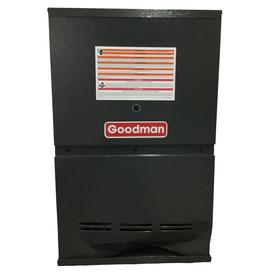
Replaced old furnace with a new Aspen model in my manufactured home. Very pleased with transaction. Fast shipment, great price, easy installation, runs great.
Greg B.
Initially I ordered the wrong item. Customer Service was very helpful in getting the item returned. Delivered promptly. Numerous orders over the years - very satisfied.
Brian S.
Alpinehomeair has knocked customer service out of the park. Absolutely committed to helping customers, and the product they sell is spot on.
Mary B.
Tech was helpful getting my order corrected when I messed up the order. Delivered fast and not damaged. The product heats and cools my home nicely.
Kenneth S.
Josh did a good job on finding the correct parts. Fast shipping, everything fit right the first time.
Douglas W.
Pricing is very good, free shipping, no one would match these prices. Called for support and got a response in an hour. Delivery in a couple of days.
Magda V.
Hands down the best sales chat experience. Extremely knowledgeable and did not oversell anything, just exactly what I needed.
Thomas S.
Had a very good experience. This is the 3rd time buying products from Alpine. I will always buy here first.
Debbie H.
So pleasant to talk to a person who is knowledgeable and helpful. The product specialist walked me through exactly what I needed - no upselling pressure.
Not sure which refrigerant regulator you need?
Get free 1-on-1 help matching the right TXV or orifice to your system.
Helpful guides for installing and maintaining your air conditioning system.
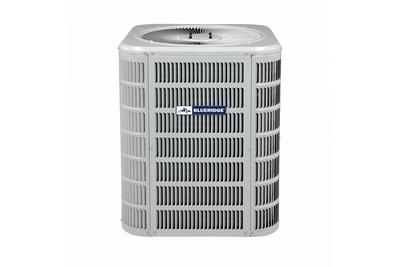
How to Install Central Air Conditioning
Get practical guidance on installing a central air conditioning system for optimal cooling in your space...
Read More
Getting Your HVAC System Ready for Summer
As temperatures start to rise, a little preparation can go a long way toward keeping your HVAC system running efficiently all summer long...
Read More
Is Your HVAC System Near the End?
If your system is 10+ years old, getting noisy, or costing more and more to repair, now is the time to understand your options...
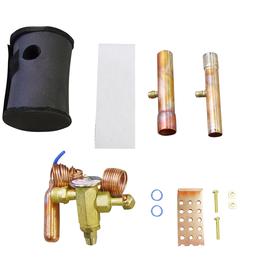
Read MoreAll air conditioning sytems have one of two types of devices to regulate the liquid refrigerant as it passes into a gas: an orifice (also called piston or flowrater) or a more advanced device, a thermostat expansion valve (TXV).